By Dr. Nazir
October 22, 2026
Navigating respiratory challenges requires clear guidance, especially when persistent symptoms drain your energy, disrupt your sleep, and affect your overall health. Millions of individuals live with various breathing disorders that affect their airways, ranging from chronic asthma and bronchitis to complex sleep-disordered breathing conditions. Identifying proper medical resources, specialized physicians, and holistic care teams is essential for securing an accurate diagnosis and an effective long-term treatment plan. By understanding where professional support exists, patients can take proactive control of their lung health, improve their daily ventilation, and restore their quality of life through comprehensive medical care tailored to their specific needs.
Identifying Symptoms With Professional Evaluation
Recognizing early warning signs like persistent coughing, unexpected wheezing, or nighttime gasping represents the initial step toward addressing suspected breathing disorders. Primary care physicians serve as the first line of defense, conducting initial physical examinations, evaluating patient histories, and ordering basic diagnostic imaging. These family doctors perform preliminary assessments to rule out common infections while determining whether advanced clinical care is necessary. Timely medical intervention prevents minor respiratory issues from escalating into severe chronic conditions that severely restrict daily functionality. Consulting a primary general practitioner ensures that individuals receive structured initial guidance and appropriate medical referrals to pulmonary specialists without unnecessary diagnostic delays.
Consulting Specialists for Advanced Diagnosis
Pulmonologists possess specialized expertise required to evaluate, diagnose, and treat intricate breathing disorders using advanced diagnostic technologies. These board-certified specialists utilize detailed pulmonary function testing, high-resolution computed tomography scans, and bronchoscopy procedures to assess lung volume, airflow resistance, and tissue integrity. By measuring precise physiological parameters, pulmonologists construct targeted medical strategies that address root causes rather than merely masking symptoms. Their dedicated oversight remains vital for patients managing severe asthma, pulmonary fibrosis, or chronic obstructive pulmonary disease. Partnering with a skilled pulmonologist provides individuals with access to innovative pharmaceuticals, ongoing monitoring, and personalized respiratory therapy tailored to complex anatomical needs.
Evaluating Sleep Disruptions With Nocturnal Studies
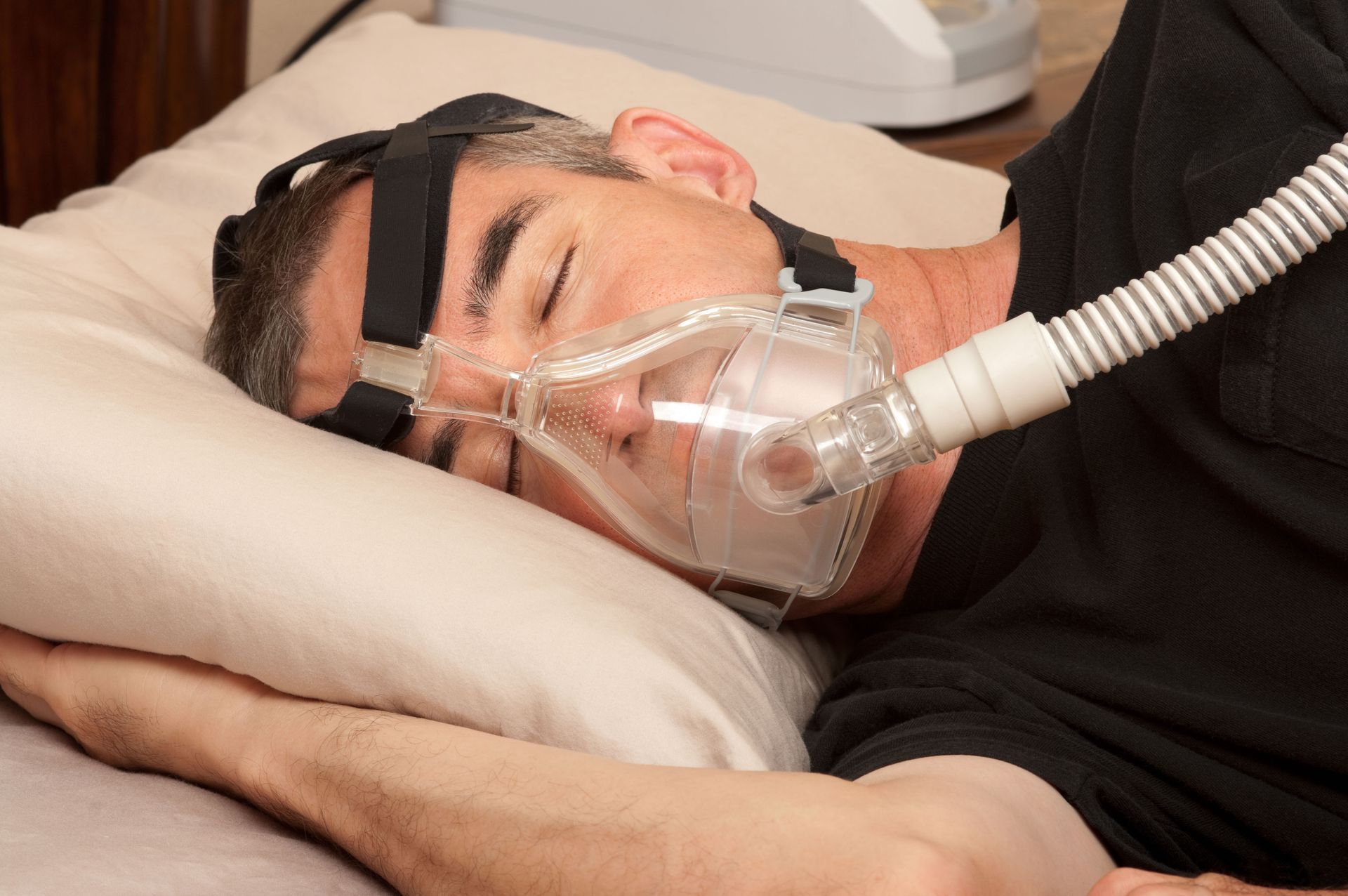
Sleep medicine experts focus specifically on nocturnal respiratory conditions that compromise nighttime ventilation and overall rest quality. According to the American Dental Association, obstructive sleep apnea (OSA) accounts for more than 80% of all sleep-disordered breathing cases in the United States. Sleep clinics employ comprehensive polysomnography testing to monitor continuous brain waves, blood oxygen saturation, heart rhythm, and respiratory effort throughout the night. These diagnostic insights allow physicians to differentiate between central and obstructive sleep events precisely. Receiving an accurate nocturnal evaluation enables patients to access effective non-invasive therapies, specialized oral appliances, and positive airway pressure devices designed to maintain open airways during sleep.
Integrating Therapies Through Holistic Care Teams
Comprehensive management of persistent breathing disorders often extends beyond medical prescriptions to include multidisciplinary rehabilitation specialists. Pulmonary rehabilitation programs combine tailored cardiovascular exercise, breathing retraining techniques, nutritional counseling, and psychological support into structured recovery plans. Respiratory therapists teach patients strategies like pursed-lip breathing and diaphragmatic control to maximize oxygen intake while minimizing physical exertion during daily activities. Additionally, clinical dietitians and stress management counselors help optimize overall wellness, reducing systemic inflammation that exacerbates respiratory stress. Collaborative care models empower individuals to rebuild physical endurance, manage breathlessness effectively, and maintain long-term personal independence.
Exploring Community Resources and Support Groups
Local support networks and national health organizations offer invaluable guidance for families navigating lifelong breathing disorders. Patient advocacy groups provide educational materials, community workshops, and peer-led support groups where individuals share practical management strategies and emotional encouragement. These community platforms help demystify complex medical terminology, providing accessible guidance on environmental adjustments, home oxygen safety, and indoor air quality control. Connecting with others who face similar health journeys reduces emotional isolation while encouraging consistent adherence to prescribed treatment plans. Utilizing educational outreach programs ensures that patients stay informed about emerging medical treatments, patient rights, and local healthcare assistance programs.
Adopting Prevention Strategies Through Lifestyle Modifications
Sustaining respiratory health requires active personal involvement alongside professional medical intervention to mitigate environmental triggers. Eliminating exposure to tobacco smoke, industrial dust, airborne chemicals, and common indoor allergens significantly reduces airway inflammation and prevents sudden symptom flare-ups. Implementing high-efficiency particulate air filtration systems within residential environments helps maintain clean indoor air, supporting smoother daily ventilation. Furthermore, maintaining balanced physical exercise and healthy body weight decreases mechanical pressure on the diaphragm and chest wall. Integrating preventative health habits with ongoing clinical guidance creates a resilient foundation for long-term pulmonary strength and overall physical vitality.
Securing Long-Term Respiratory Wellness
Seeking appropriate medical assistance for persistent breathing disorders remains crucial for restoring daily vitality, enhancing sleep quality, and safeguarding long-term pulmonary health. Working alongside dedicated primary care doctors, pulmonologists, sleep specialists, and rehabilitation teams allows individuals to establish effective treatment routines customized to their specific anatomical needs. Combining clinical treatments with proactive lifestyle adjustments and supportive community resources ensures sustained respiratory comfort. Prioritizing early evaluation and consistent medical management empowers patients to breathe easier, remain active, and maintain an exceptional quality of life across every stage of their ongoing wellness journey.
Identifying Symptoms With Professional Evaluation
Recognizing early warning signs like persistent coughing, unexpected wheezing, or nighttime gasping represents the initial step toward addressing suspected breathing disorders. Primary care physicians serve as the first line of defense, conducting initial physical examinations, evaluating patient histories, and ordering basic diagnostic imaging. These family doctors perform preliminary assessments to rule out common infections while determining whether advanced clinical care is necessary. Timely medical intervention prevents minor respiratory issues from escalating into severe chronic conditions that severely restrict daily functionality. Consulting a primary general practitioner ensures that individuals receive structured initial guidance and appropriate medical referrals to pulmonary specialists without unnecessary diagnostic delays.
Evaluating Sleep Disruptions With Nocturnal Studies
Sleep medicine experts focus specifically on nocturnal respiratory conditions that compromise nighttime ventilation and overall rest quality. According to the American Dental Association, obstructive sleep apnea (OSA) accounts for more than 80% of all sleep-disordered breathing cases in the United States. Sleep clinics employ comprehensive polysomnography testing to monitor continuous brain waves, blood oxygen saturation, heart rhythm, and respiratory effort throughout the night. These diagnostic insights allow physicians to differentiate between central and obstructive sleep events precisely. Receiving an accurate nocturnal evaluation enables patients to access effective non-invasive therapies, specialized oral appliances, and positive airway pressure devices designed to maintain open airways during sleep.
Exploring Community Resources and Support Groups
Local support networks and national health organizations offer invaluable guidance for families navigating lifelong breathing disorders. Patient advocacy groups provide educational materials, community workshops, and peer-led support groups where individuals share practical management strategies and emotional encouragement. These community platforms help demystify complex medical terminology, providing accessible guidance on environmental adjustments, home oxygen safety, and indoor air quality control. Connecting with others who face similar health journeys reduces emotional isolation while encouraging consistent adherence to prescribed treatment plans. Utilizing educational outreach programs ensures that patients stay informed about emerging medical treatments, patient rights, and local healthcare assistance programs.
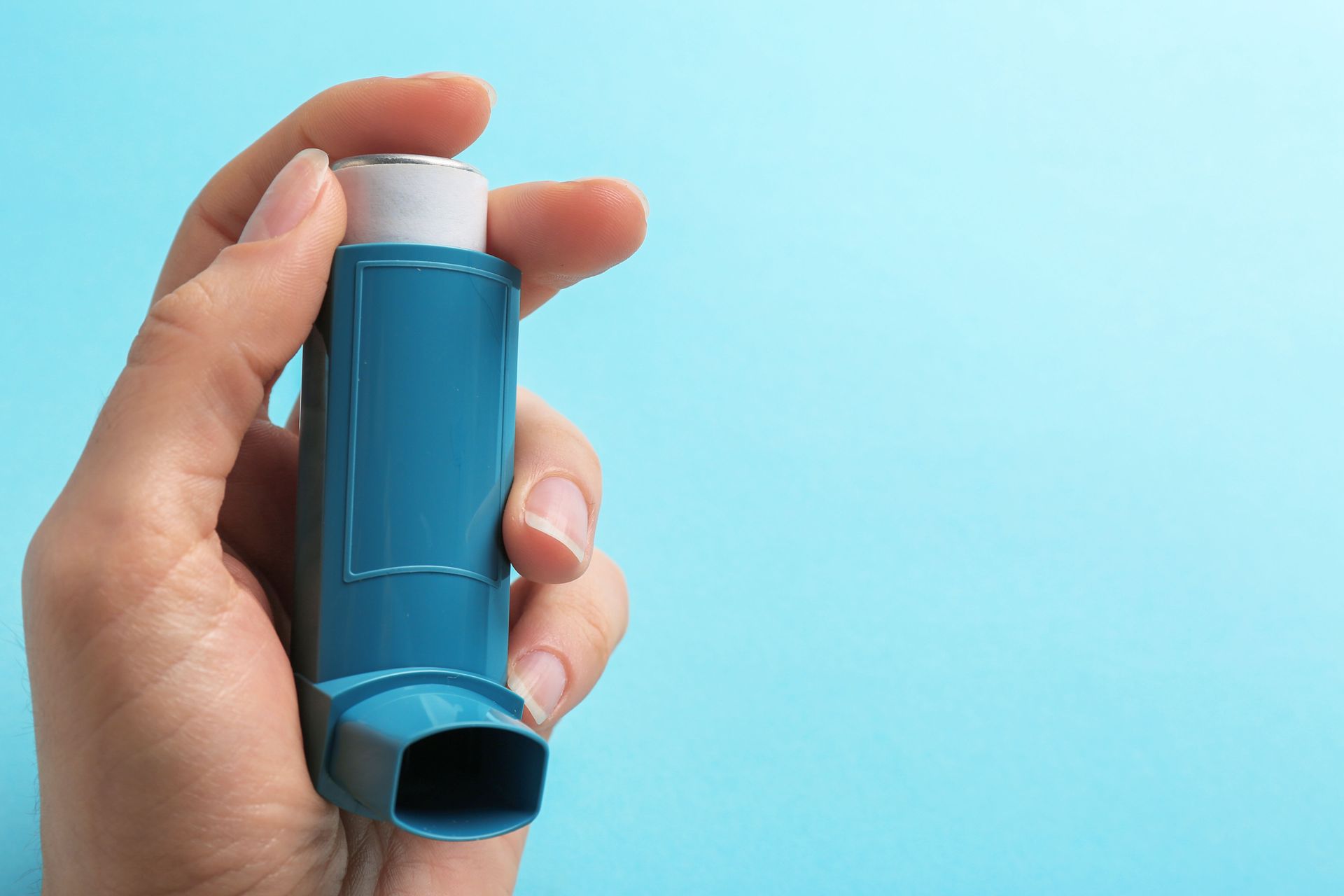
Modern technology provides dynamic avenues for managing chronic respiratory issues through continuous digital oversight and remote clinical tracking. Wearable biosensors, smart inhalers, and smartphone applications track peak expiratory flow rates, oxygen saturation levels, and daily medication compliance in real time. These digital health systems transmit data directly to medical providers, allowing clinicians to detect minor airflow changes before acute flare-ups occur. Remote monitoring technologies enable patients to take an active role in daily health management while clinicians adjust treatment protocols dynamically under direct medical supervision. Incorporating digital tools enhances doctor-patient communication, decreases emergency department visits, and improves overall chronic illness management.
Are you seeking professional help with breathing or sleep disorders in Oklahoma City, OK, and the surrounding areas? Breathe Oklahoma is designed to treat sleep disorders, breathing disorders, and lung conditions. Contact us today to schedule a consultation.