Experiencing a sudden asthma attack can be a frightening and overwhelming ordeal for both the individual affected and those witnessing the event. Acute respiratory distress occurs when airways constrict, swell, and fill with excess mucus, making simple inhalation and exhalation increasingly difficult. Understanding immediate action steps during a bronchial crisis is vital for regaining control over respiration and preventing severe medical complications. While emergency self-care techniques offer immediate relief, consulting a qualified breathing disorder specialist helps individuals develop personalized action plans tailored to their unique physiological needs. Knowing how to react calmly and systematically during an acute episode empowers patients to manage symptoms effectively and seek appropriate medical assistance when necessary.
1. Maintaining Upright Posture During Respiratory Distress
When an acute asthma exacerbation begins, physical posture plays an immediate role in maximizing lung expansion and facilitating airflow. Slouching, lying down, or bending over constricts the chest cavity and restricts diaphragm movement, further impairing oxygen intake when bronchial passages are inflamed. Sitting upright in a comfortable chair with shoulders relaxed and back straight creates maximum space within the thoracic cavity. Positioned vertically, gravity assists the diaphragm in pulling air deeper into bronchial tubes while reducing pressure on surrounding chest muscles. Taking slow, controlled breaths in an upright position helps stabilize oxygen levels and reduces panic during sudden respiratory crises.
Staying calm is equally critical because anxiety accelerates heart rate and triggers rapid, shallow breathing that worsens bronchial spasms. Consciously focusing on slow exhalations through pursed lips helps maintain positive airway pressure, keeping bronchial passages open longer during exhalation. Working alongside a breathing disorder specialist ensures that patients understand optimal body positioning and breathing techniques during acute distress. Practicing structured relaxation methods during peaceful periods builds muscle memory, allowing individuals to remain composed and focused when sudden airway narrowing occurs.
2. Administering Rescue Inhalers During Airway Constriction
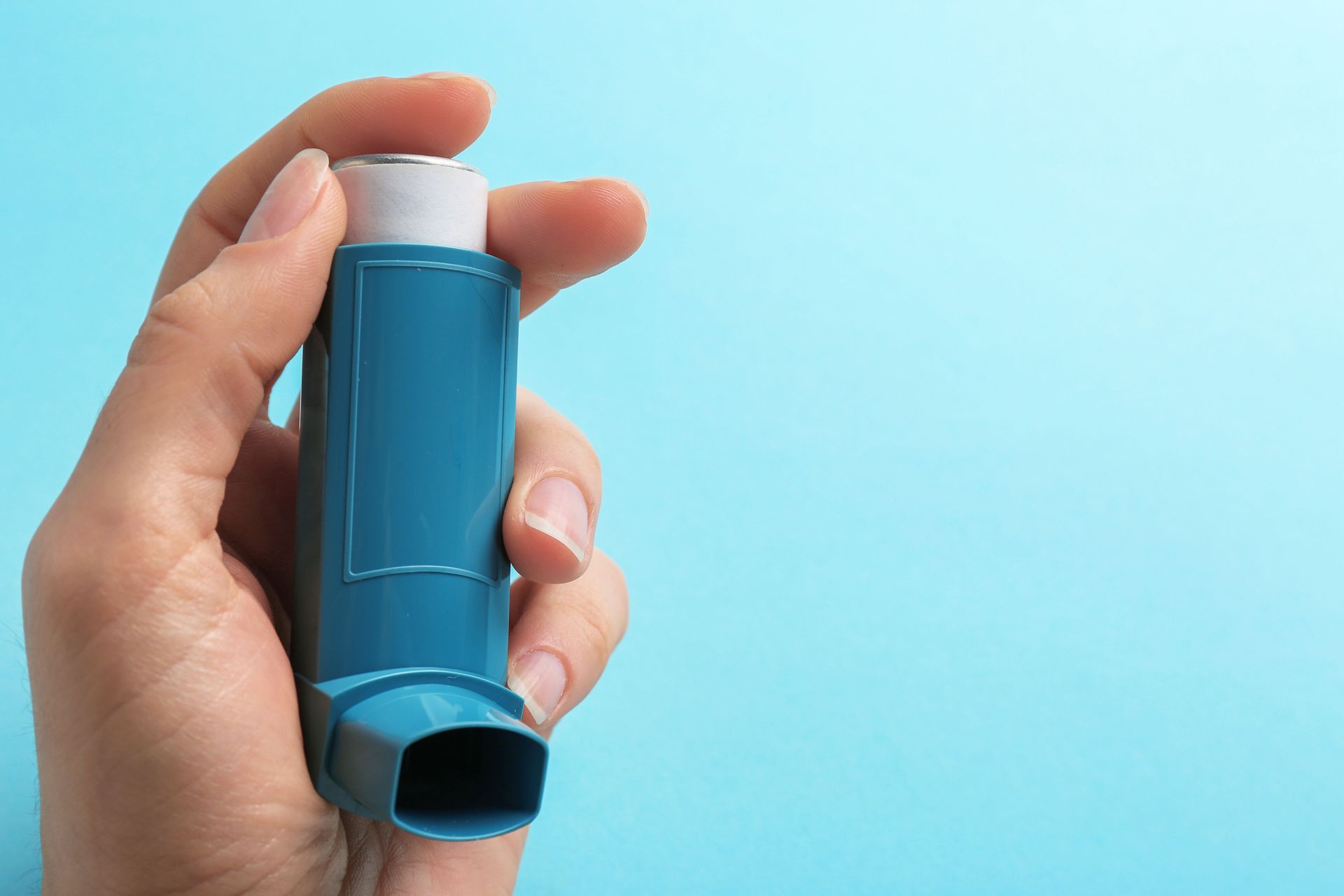
Quick-relief bronchodilators serve as the primary immediate intervention for relaxing tightened smooth muscles surrounding inflamed bronchial airways. At the onset of breathing difficulty, individuals should immediately locate their prescribed quick-relief inhaler and prepare to administer medication according to established medical guidelines. Using a spacer device alongside a metered-dose inhaler enhances medication delivery by depositing aerosolized bronchodilators deeper into lung tissue rather than leaving deposits in the throat. Inhaling slowly and holding breath momentarily after puff administration allows active pharmaceutical compounds to penetrate constricted airways effectively. Mastering proper inhalation mechanics guarantees that therapeutic medication reaches deeply constricted bronchial passages.
Following prescribed dosage intervals is vital during acute episodes, as overusing rescue medication can lead to elevated heart rate and muscle tremors without improving lung function. Guidance from a breathing disorder specialist helps patients master proper inhaler technique and dosage timing for various environmental conditions. When rescue medication fails to provide noticeable improvement within expected timeframes, individuals must recognize that their bronchial airways require advanced medical evaluation. Keeping rescue inhalers accessible at all times ensures rapid intervention whenever sudden airway constriction arises.
3. Removing Environmental Triggers During Active Flareups
Subterranean airborne irritants, ambient allergens, cold air, strong perfumes, and tobacco smoke frequently initiate or intensify acute bronchial spasms. During an active breathing crisis, immediately removing the affected individual from the immediate area containing active environmental triggers is essential. Moving indoors away from cold outdoor winds, pollen-heavy air, or industrial fumes allows hypersensitive airway tissues to stabilize. If indoor airborne dust, pet dander, or cleaning chemical fumes triggered the episode, transitioning to a well-ventilated, climate-controlled space helps reduce ongoing bronchial irritation. Swiftly transitioning away from active pollutants minimizes acute inflammatory reactions in sensitive lung tissue.
Eliminating ambient triggers halts continuous airway stimulation, allowing rescue medications to work without competing against environmental irritants. Identifying specific airborne irritants with a breathing disorder specialist reduces the frequency of unexpected attacks over long periods. Establishing clean indoor environments with high-efficiency air filtration units protects sensitive lung tissue from sudden inflammatory responses. Taking proactive steps to clear immediate surroundings of airborne pollutants provides hypersensitive respiratory systems with the clean air needed to recover from acute distress.
4. Tracking Escalating Symptoms During Physical Deterioration
Monitoring physical indicators during a bronchial crisis provides crucial information regarding whether an attack is resolving or worsening. Common signs of deteriorating respiratory function include inability to speak full sentences without pausing for breath, persistent chest tightness, severe nasal flaring, and visible skin retraction around ribs or collarbones. Peak flow meters offer objective numerical measurements of exhalation velocity, helping individuals compare current airflow against personal baseline values. Recognizing severe drops in peak flow performance signals that bronchial airways are experiencing significant obstruction requiring aggressive medical management.
Carefully observing physical responses following rescue inhaler exhalation helps determine whether additional emergency intervention is needed. Evaluating severe symptoms with a breathing disorder specialist prevents long-term pulmonary damage by establishing clear thresholds for emergency department visits. Tracking symptom progression in personal health journals helps medical teams refine long-term treatment protocols. Remaining vigilant regarding physical signs of respiratory fatigue ensures that individuals seek emergency medical assistance before severe oxygen deprivation occurs.
5. Seeking Emergency Care During Severe Breathing Episodes
Certain acute respiratory flare-ups escalate beyond the management capacity of home rescue medications, requiring immediate emergency medical evaluation. Urgent warning signs include bluish discoloration around lips or fingernails, severe confusion, extreme breathlessness, and absence of relief after using prescribed rescue inhalers. During severe episodes where talking becomes impossible and physical exhaustion sets in, emergency medical services must be summoned immediately. Delaying professional emergency treatment during rapid physical deterioration risks severe oxygen failure and life-threatening systemic complications.
While awaiting emergency medical personnel, the individual should remain seated upright, stay as calm as possible, and continue utilizing rescue medication as directed by emergency dispatchers. Paramedics and emergency physicians provide high-flow oxygen, nebulized bronchodilators, and systemic corticosteroids to rapidly reduce airway swelling. Receiving prompt emergency medical care stabilizes compromised respiratory systems, preventing long-term cardiovascular and pulmonary complications. Recognizing when home care is insufficient safeguards human life during catastrophic bronchial events.
6. Engaging Specialist Support During Long-Term Management
Establishing a long-term care strategy with an experienced breathing disorder specialist is essential for preventing future severe attacks. According to the Asthma and Allergy Foundation of America, around 11.0% of female adults have asthma, compared to 6.8% of male adults. Because chronic respiratory conditions affect millions of individuals across diverse demographics, personalized medical supervision plays a pivotal role in managing daily symptoms. Specialists perform detailed diagnostic evaluations, including spirometry and bronchial challenge tests, to assess baseline lung function and identify underlying inflammatory patterns.
Comprehensive care plans combine daily controller medications, environmental control measures, and emergency response protocols tailored to individual lifestyle demands. Regular checkups with a breathing disorder specialist allow for continuous adjustments to daily preventative medications, ensuring optimal airway protection as seasons change. Updating personal action plans regularly helps patients anticipate potential flare-ups before severe bronchial constriction occurs. Partnering with dedicated medical professionals empowers individuals to maintain active, healthy lives despite living with chronic respiratory conditions. Consistent clinical monitoring ensures that preventative treatment plans adapt to changing environmental factors.
7. Partnering With Experts During Ongoing Health Planning
Managing acute bronchial episodes requires prompt action, clear understanding of emergency procedures, and consistent medical oversight. By remaining calm, maintaining an upright posture, administering prescribed rescue medications correctly, and avoiding environmental triggers, individuals can successfully navigate sudden respiratory distress. However, long-term freedom from severe attacks relies on comprehensive diagnostic care and tailored prevention strategies designed by experienced medical professionals. Taking proactive control over respiratory health protects lung function and improves overall quality of life. If you are seeking expert guidance from a dedicated breathing disorder specialist, please reach out to the compassionate team at Breathe Oklahoma.