By Dr. Nazir
December 17, 2025
Breathing disorders have increasingly become a significant public health concern in the United States, affecting millions of people every year. These conditions, which include asthma, chronic obstructive pulmonary disease (COPD), and sleep apnea, can range from mildly inconvenient to life-threatening. They are not just medical issues—they influence daily routines, work productivity, and social interactions. Many Americans struggle with the physical limitations imposed by these conditions, whether it’s the fatigue caused by COPD, the sleepless nights from sleep apnea, or the unpredictable asthma attacks that can strike at any moment. The impact is wide-reaching, touching individuals, families, and communities alike.
The urgency to address breathing disorders is heightened by their prevalence and severity. According to the CDC, COPD is among the top 10 causes of death in the United States, emphasizing the critical need for awareness, early detection, and effective management. Environmental challenges, lifestyle choices, and genetic predispositions all contribute to the growing incidence of these conditions. By understanding why breathing disorders are so prevalent and how they affect health, we can start taking proactive steps to manage, treat, and even prevent them. Awareness, education, and intervention are key to reducing their impact on our communities.
The Prevalence of Breathing Disorders in the U.S.
Recent years have shown a worrying increase in the prevalence of breathing disorders across the United States. Conditions like asthma and COPD are no longer rare; they affect millions of Americans and result in substantial healthcare costs. Hospital admissions for severe respiratory events, emergency room visits for asthma attacks, and long-term care for COPD patients place a significant strain on the healthcare system. Urban areas, where pollution is often highest, show especially high rates of these conditions. Seasonal changes, allergens, and climate-related factors also contribute to the frequency and severity of respiratory symptoms, affecting both children and adults alike.
This widespread prevalence makes it clear that breathing disorders are a pressing public health issue. The growing number of individuals affected underscores the need for comprehensive prevention strategies and healthcare interventions. Public health campaigns, access to quality medical care, and community education about early detection and management are essential. With appropriate awareness and action, it is possible to reduce the burden these conditions place on individuals and society, helping people maintain better respiratory health and an improved quality of life.
Common Respiratory Disorders
Among the most common breathing disorders in the United States are asthma, COPD, and sleep apnea, each posing unique challenges. Asthma, a chronic inflammatory disease, often begins in childhood and can persist throughout life, causing wheezing, coughing, and shortness of breath. COPD, which includes chronic bronchitis and emphysema, progressively damages the lungs and is associated with a high mortality rate. Sleep apnea, while sometimes overlooked, disrupts breathing during sleep and can lead to serious cardiovascular and metabolic complications if left untreated. Together, these disorders account for a significant portion of respiratory illnesses diagnosed annually.
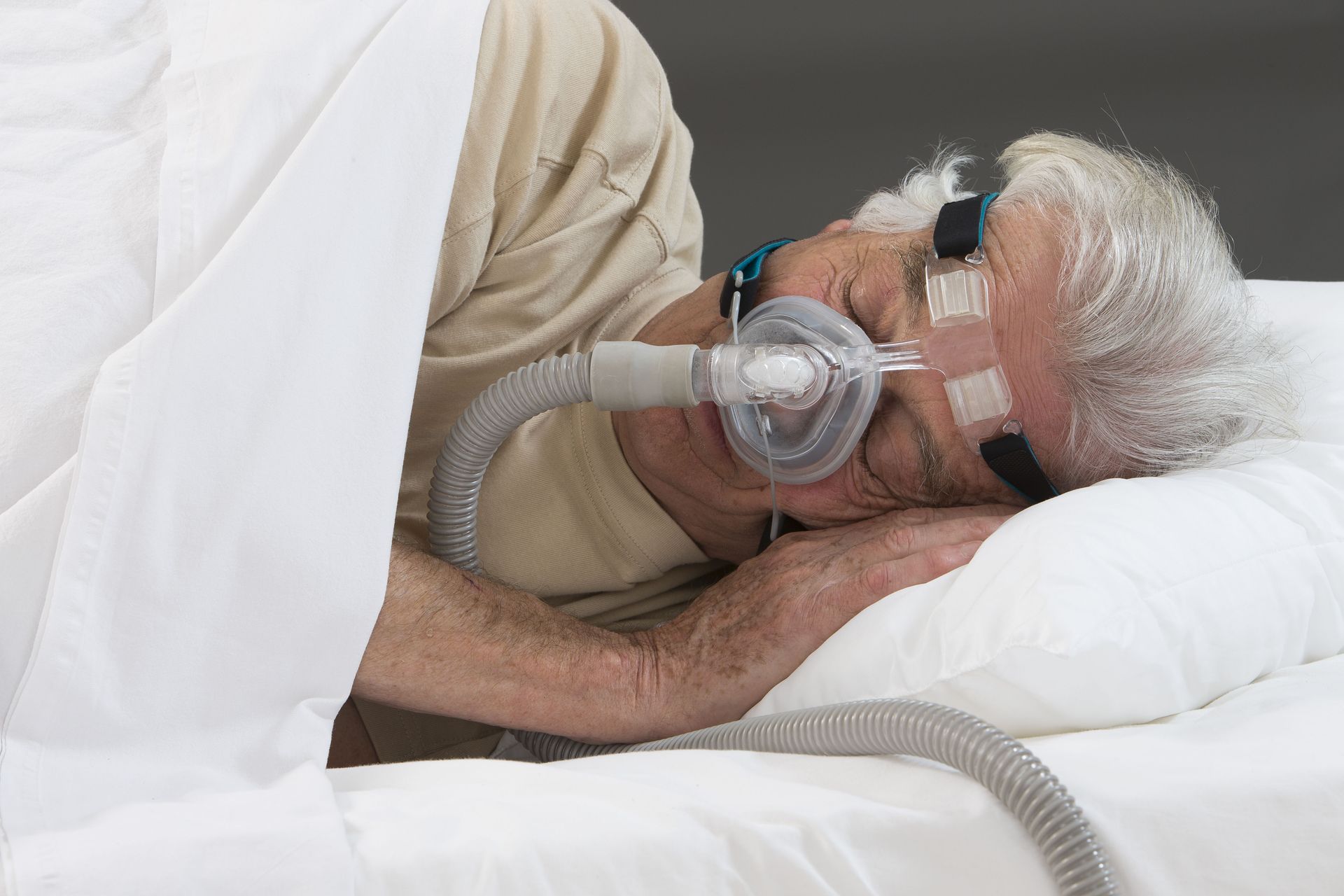
Managing these conditions requires both medical treatment and lifestyle adjustments. Asthma may require inhalers and medications, while COPD management often involves pulmonary rehabilitation and long-term monitoring. Sleep apnea treatment can range from CPAP devices to surgical interventions, depending on severity.
Understanding the underlying causes, triggers, and effective management strategies for these breathing disorders is crucial for improving patients’ daily lives. Regular check-ups, adherence to treatment plans, and environmental adjustments can help individuals live fuller, healthier lives despite these respiratory challenges.
Age and Demographic Factors
Breathing disorders do not affect all populations equally, and age is a significant factor. Children and older adults are particularly vulnerable, with pediatric asthma being widespread and COPD primarily affecting older adults due to cumulative environmental exposures and age-related lung changes. These age-related trends highlight the importance of targeted prevention and intervention strategies, such as pediatric education programs, vaccinations to prevent respiratory infections, and early screening for older adults. By understanding the relationship between age and respiratory risk, healthcare providers can better tailor interventions to protect the most vulnerable populations.
Other demographic factors, including race, socioeconomic status, and geographic location, also influence the prevalence of breathing disorders. African American and Hispanic communities often experience higher rates of asthma, while low-income families may have limited access to healthcare, increasing the risk of untreated respiratory conditions. Urban areas, with their higher levels of pollution and industrial activity, also report increased incidences. Addressing these disparities through inclusive healthcare policies, equitable access to treatment, and community-specific educational campaigns is crucial to reducing the overall burden of breathing disorders in the U.S.
Environmental Influences
The environment plays a pivotal role in the development and worsening of breathing disorders. Air pollution from vehicles, factories, and other industrial sources can trigger or exacerbate conditions such as asthma and COPD. Fine particulate matter, ozone, and nitrogen dioxide are particularly harmful to respiratory health, contributing to chronic lung inflammation and reduced lung function. Long-term exposure to poor air quality can even lead to new cases of respiratory disorders in previously healthy individuals, making clean air initiatives a top public health priority.
Occupational exposures, such as inhaling dust, chemicals, or fumes in the workplace, further increase the risk of developing breathing disorders. Climate change also exacerbates these risks, increasing pollen counts, allergens, and the frequency of wildfires, all of which negatively impact respiratory health. Addressing these environmental influences requires proactive measures, including stronger pollution controls, workplace safety regulations, and policies to reduce carbon emissions. Community and government actions play a crucial role in mitigating environmental factors that contribute to the prevalence of breathing disorders.
Causes and Risk Factors
Breathing disorders often result from a combination of genetic, environmental, and lifestyle factors. Genetics can predispose individuals to conditions like asthma and COPD, making family history a significant predictor of risk. Certain inherited conditions, such as alpha-1 antitrypsin deficiency, can further increase susceptibility. Understanding these genetic links can help identify high-risk individuals and enable proactive monitoring and early interventions.
Lifestyle choices also play a major role. Smoking remains the leading cause of COPD, while obesity and physical inactivity can worsen respiratory function and contribute to sleep apnea. Environmental exposures, such as pollution and occupational hazards, compound these risks. By addressing these modifiable factors—through smoking cessation, healthier lifestyles, and reduced exposure to pollutants—we can lower the incidence and severity of breathing disorders. Combining genetic awareness with lifestyle modifications provides a comprehensive approach to respiratory health.
Impact on Quality of Life
Breathing disorders can profoundly impact daily life, limiting physical activity and causing fatigue. Chronic conditions like COPD make even simple tasks exhausting, while asthma attacks can be sudden and unpredictable. Sleep apnea disrupts rest and affects mental focus, often leading to mood disorders and decreased productivity. Living with these conditions requires constant management, from medications to lifestyle adaptations, and can affect social and professional interactions.
Beyond physical limitations, breathing disorders also carry significant psychological and emotional burdens. Stress, anxiety, and depression are common among individuals coping with chronic respiratory conditions, sometimes worsening symptoms, reducing energy, and interfering with treatment adherence. The constant vigilance required to manage medications, avoid triggers, and monitor symptoms can be mentally exhausting. Support from healthcare providers, family, and community programs is crucial for improving both physical and mental well-being, offering encouragement, practical advice, and a sense of connection. With proper care, education, and intervention, people with breathing disorders can achieve a higher quality of life, regain confidence in daily activities, and maintain independence. For guidance and support, reach out to Breathe Oklahoma today.